Supplemental Security Income (SSI) provides monthly financial help to millions of Americans who have limited income and resources. The program is managed by the Social Security Administration and supports seniors, people with disabilities, and individuals who are blind.
For 2026, the federal SSI payment increased because of the annual cost of living adjustment.
The maximum federal SSI payment is $994 per month for an eligible individual and $1,491 for eligible couples.
These amounts are set by the SSA and are adjusted when cost of living increases apply to Social Security benefits.
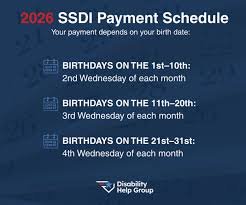
SSI payments usually arrive on the first day of each month. If the first falls on a weekend or federal holiday, the payment is sent on the last business day of the previous month.
When will SSI payments arrive in 2026?
SSI checks are typically paid on the first day of the month. If the first falls on a weekend or holiday, the payment is issued early.
The 2026 SSI payment schedule includes these deposit dates:
- December 31, 2025 (January 2026 payment)
- January 30, 2026 (February payment)
- February 27, 2026 (March payment)
- April 1, 2026
- May 1, 2026
- June 1, 2026
- July 1, 2026
- July 31, 2026 (August payment)
- September 1, 2026
- October 1, 2026
- October 30, 2026 (November payment)
- December 1, 2026
These adjustments happen because SSI cannot be issued on weekends or federal holidays.
The SSA simply sends the payment earlier so recipients receive their benefits on time.
Why is the SSI payment $994 in 2026?
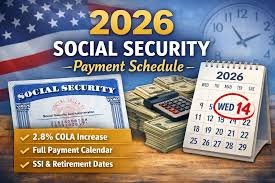
The maximum federal SSI payment for an individual rose to $994 per month in 2026 after a 2.8 percent cost of living adjustment (COLA).
The COLA increase is applied every year to help benefits keep up with inflation. The adjustment is based on changes in the Consumer Price Index, which measures the cost of goods and services.
For 2026, the maximum federal amounts are:
- $994 for an eligible individual
- $1,491 for an eligible couple
- $498 for an essential person
These are federal limits. Some states add extra SSI supplements that can increase the total monthly payment.
How can I check my SSI payment status?
SSI recipients can track their payment status through their online SSA account.
After signing in, beneficiaries can:
- View their monthly benefit amount
- Confirm the next payment date
- Check deposit history
- Update direct deposit information
- Download official benefit letters
The SSA strongly recommends using a “my Social Security” account for secure access to benefit records and payment updates.
What happens if SSI payment day falls on a weekend?
When the first day of the month is a weekend or federal holiday, SSI payments are issued on the last business day before that date.
For example:
- The March 2026 SSI payment arrived February 27 because March 1 fell on a Sunday.
- The November 2026 payment arrives October 30 because November 1 is a Sunday.
This early payment does not mean recipients are receiving extra benefits. It is simply an adjusted schedule to ensure funds arrive on time.
Who qualifies for SSI benefits?
SSI is designed for people with limited income and financial resources. The program serves three main groups:
- Adults age 65 or older
- People who are blind
- Individuals with qualifying disabilities
Applicants must also meet strict income and asset limits set by the SSA. In most cases, individuals cannot have more than $2,000 in countable resources, while couples cannot exceed $3,000.
The program differs from Social Security retirement or disability benefits because it does not require a prior work history.
How are SSI payments delivered?
SSI payments are issued electronically through one of two methods approved by the SSA.
The most common option is direct deposit to a bank or credit union account. The second option is the Direct Express debit card, which works like a prepaid card for government benefits.
Electronic payments allow recipients to receive funds quickly and reduce the risk of lost checks. The SSA no longer encourages paper checks for SSI benefits.
Beneficiaries can set up or change payment methods through the SSA account portal
What should I do if my SSI payment is late?
If a payment does not arrive on the expected date, the SSA recommends taking a few steps before reporting a problem.
First, check with your bank to see if the deposit is pending. Banks sometimes take extra time to process government payments.
If the payment still does not appear after three mailing days, beneficiaries can contact the SSA for assistance.
Recipients can also call the SSA national number at 1-800-772-1213 to report missing payments or ask questions about their benefits.
Can SSI amounts change during the year?
SSI benefit amounts can change during the year if a recipient’s income or living situation changes.
For example, payments may decrease if the recipient begins receiving additional income or financial support.
The SSA subtracts countable income from the maximum federal benefit when calculating the final payment amount.
Recipients must report any income changes, living arrangement updates, or resource increases to the SSA to avoid overpayments or benefit adjustments.