Property taxes in Alabama can represent a significant yearly expense for homeowners. To reduce this burden, the state offers a homestead exemption for owner‑occupied primary residences.
This tax relief can be especially valuable for residents aged 65 and older.
Understanding eligibility rules, application deadlines, income limits, and how the exemption works is essential to saving money on property taxes in 2026.
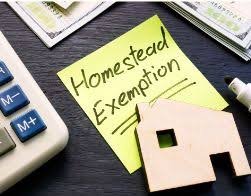
Alabama Homestead Exemption
A homestead exemption is a property tax relief benefit that reduces taxable value on a qualified primary home. In Alabama, it applies only to single‑family owner‑occupied property not exceeding 160 acres.
The exemption has different levels depending on age, income, and disability status.
You can view the full official descriptions on the Alabama Department of Revenue Homestead Exemptions page.
Who Qualifies for the Senior (65+) Homestead Exemption in Alabama?
Homeowners age 65 or older may qualify for enhanced exemptions that significantly reduce property taxes. The main eligibility conditions are:
- You must own and occupy the property as your primary residence.
- The property cannot exceed 160 acres.
- Income limits apply for some exemption tiers (see next section).
These exemptions are defined under Alabama law (Title 40, Chapter 9) and different types are identified by homestead categories such as H‑2, H‑3, and H‑4.
What Are the Income Limits for 65+ Homeowners?
Alabama offers multiple exemption tiers:
- If your combined federal taxable income (yours and your spouse’s) is $12,000 or less, you may qualify for a full exemption from all ad valorem taxes on the property.
- If your income is above $12,000, you still qualify for a state tax exemption and a reduced county tax exemption (standard $2,000 reduction).
- A separate category covers homeowners retired due to permanent and total disability, with no income limit to qualify for full relief.
You must show income documentation when applying to prove eligibility for the appropriate exemption tier.
When is the Deadline to Apply for 2026 Homestead Exemptions?
To have the exemption apply for the 2026 tax year, applications are generally due by December 31, 2025 at your local county tax assessor’s office.
This deadline is widely confirmed by county revenue offices and official tax guidance.
If you already have a senior exemption recorded and you continue to qualify, your county may require you to verify eligibility each year rather than submit a full new application, but verification is still due by the end of December.
How Do I Apply for the Homestead Exemption?
You must apply directly with your local county tax assessor or revenue commissioner. The state does not handle filings centrally.
Many counties have downloadable forms or office locations where you can file in person. Some important steps include:
- Bring proof of age (driver’s license or ID).
- Provide documentation of occupancy (utility bills, deed).
- Submit copies of your recent tax return if applying for senior income‑based exemptions.
Forms for regular exemptions can be found on local county websites or through the Alabama Department of Revenue site’s forms section.
Do I Need to Reapply Every Year?
Under Alabama law, if you have already qualified for a senior homestead exemption based on age or disability, you may not need to reapply every year.
Instead, you will receive a form to verify continued eligibility. You must sign and return this verification to your assessor to maintain your exemption status.
Can I Lose My Homestead Exemption?
Yes. If you sell the property or no longer use it as your primary residence, the homestead exemption ends.
If your age, income, or disability status changes so that you no longer meet eligibility, your exemption status can also be affected.
You must notify your local assessor if your situation changes.
Does Every County in Alabama Follow the Same Rules?
The basic state homestead exemptions are consistent across Alabama.
However, counties and local taxing authorities may offer additional property tax relief or have specific local application practices, so check with your county’s revenue office.
What Happens If I Miss the Deadline?
If you fail to apply by December 31 for the upcoming tax year, you risk paying full property taxes for that year.
In most counties, there is no retroactive application once the deadline passes, though you may be able to apply for the following year.
Contact your county assessor if you miss a deadline to understand options.